Author Archives: ZIPP TOOL

Introducing ZIPP TOOL’s Cutting-Edge Rivet Squeezer Series

Rivet Squeezer
Rivet Squeezer
Rivet Squeezer
Rivet Squeezer


Precision. Power. Durability.


ZIPP TOOL proudly announces the launch of its new Rivet Squeezer series, designed to meet the tough demands of modern manufacturing, aerospace, automotive, and heavy-industry assembly lines. Built for operators who expect trusted performance, comfortable handling, and top-quality joints, the new lineup provides excellent results in a variety of rivet installation tasks.


From compact handheld units to industrial-grade systems, ZIPP TOOL’s rivet squeezers set a new standard in fastening technology.


Reinventing Rivet Joining with Innovative Design


Riveted joints remain a cornerstone of structural assembly where strength, consistency, and fatigue resistance matter. ZIPP TOOL’s new rivet squeezers combine advanced mechanical engineering with operator-centric design, ensuring every rivet is seated precisely and securely without damaging sensitive materials or compromising joint integrity.


Key benefits of the new series include:


  • High-precision squeezing force for consistent rivet compression

  • Robust construction for durability in demanding environments

  • Ergonomic design for operator comfort and productivity

  • Low maintenance and long service life

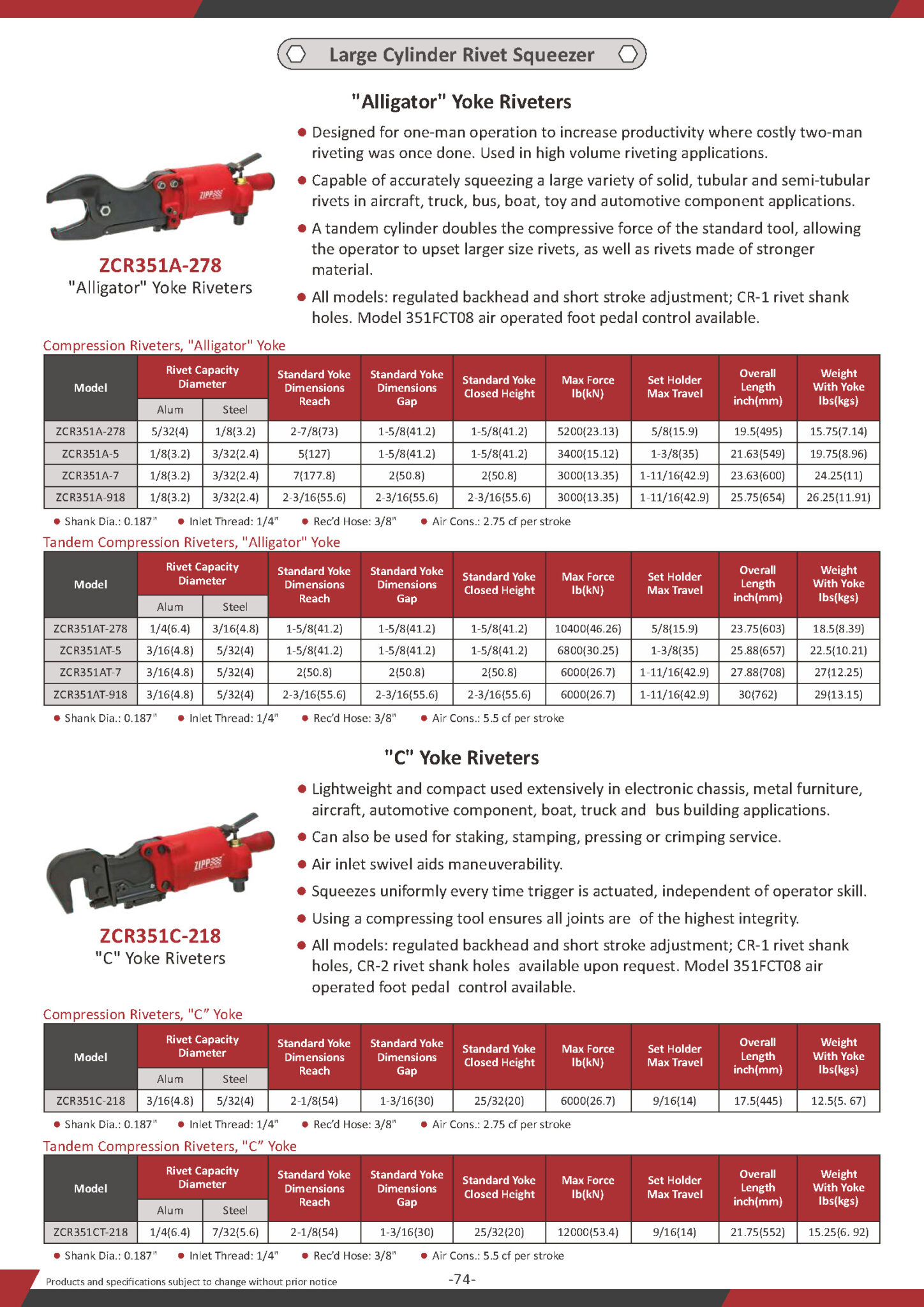
  • Alligator Yoke Riveters: Compact Strength

  • Engineered for Accessibility and Control


The Alligator Yoke Riveter is a compact yet powerful tool ideal for spaces where traditional squeezers struggle to reach. Its distinctive yoke shape — resembling an alligator jaw — offers a wide throat opening and exceptional visibility, making it perfect for confined or awkward installation areas.


Advantages of Alligator Yoke Riveters:


  • Slim profile for access in narrow or restricted spaces

  • Consistent squeeze force across the full jaw range

  • Lightweight yet rugged construction for operator comfort

  • Quick-change jaws for adaptability to different rivet sizes

  • Suitable for aerospace, metal fabrication, and on-site field repairs

Whether installing blind rivets in aircraft skins or structural panels on equipment frames, the Alligator Yoke Riveter delivers reliable, repeatable performance.


C-Yoke Riveters: Industrial-Grade Precision

Balances Power, Stability, and Ease of Use


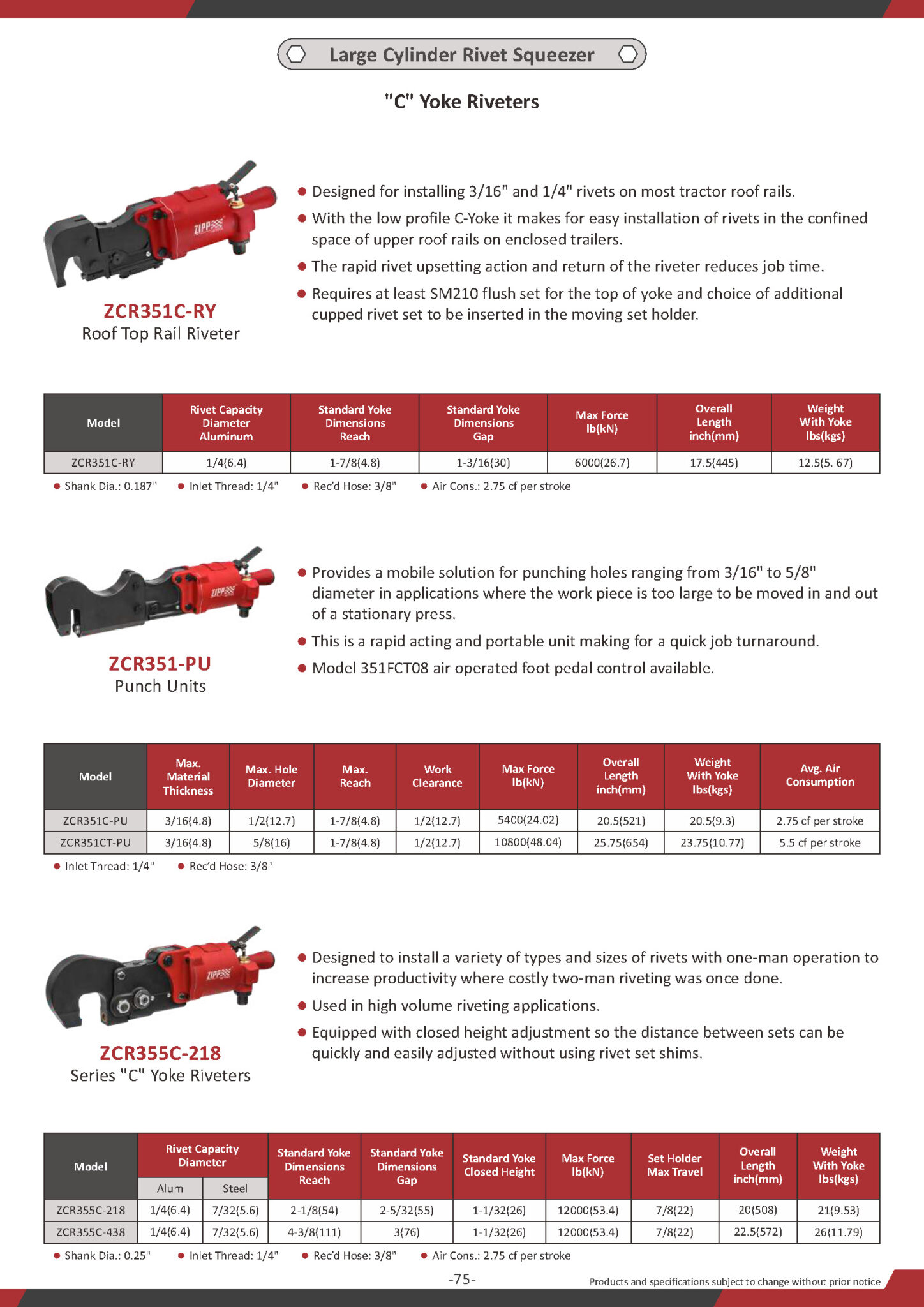
For heavy-duty riveting tasks, ZIPP TOOL introduces the C-Yoke Riveter — a robust solution optimized for high-volume production and precision assembly. Its rigid C-shaped frame provides exceptional support and force distribution, ensuring each rivet is compressed accurately and repeatably.


Why Choose a C-Yoke Riveter:


  • Superior structural rigidity for demanding applications

  • High squeezing capacity for larger rivets and tougher materials

  • Stable work-holding for consistent joint quality

  • Ideal for automotive body assembly, heavy framing, and industrial fabrication


The C-Yoke Riveter is designed to integrate smoothly into both manual and semi-automated production environments, offering flexibility for floor-mounted stations, fixtures, and workbenches.


Applications Across Industries


ZIPP TOOL’s Rivet Squeezer lineup serves diverse industrial needs:


  • Aerospace assembly and structural riveting

  • Automotive platforms and body panel joining

  • Shipbuilding and offshore structural work

  • Rail transport components

  • Industrial fabrication and maintenance work


By delivering consistent compression and precise rivet deformation, these tools improve joint strength, fatigue resistance, and overall product quality.


Ergonomics and Operator-Focused Engineering


Beyond raw performance, ZIPP TOOL prioritizes operator well-being and productivity. Every rivet squeezer is designed with features such as:


  • Balanced weight distribution and cushioned handles

  • Low-vibration operation

  • Intuitive trigger and control layout

  • Simple maintenance and parts replacement


These enhancements reduce operator fatigue, increase throughput, and lower long-term operational costs.


Supporting Modern Manufacturing


ZIPP TOOL also offers a full range of optional accessories and service support, including:


  • Multiple jaw sets for different rivet sizes

  • Adjustable stops and spacers

  • Work-holding fixtures

  • Preventive maintenance packages


With global distribution and after-sales support, ZIPP TOOL ensures that every rivet squeezer performs reliably throughout its lifecycle.


A New Era in Rivet Installation


Whether you’re working in precision aerospace assembly or heavy industrial fabrication, ZIPP TOOL’s new Rivet Squeezer lineup — featuring the versatile Alligator Yoke Riveter and the heavy-duty C-Yoke Riveter — offers unmatched performance, durability, and ease of use. They deliver consistent joint quality, exceptional accessibility, and operational efficiency that modern industries require.


Experience the next generation of riveting technology with ZIPP TOOL — where precision meets power.

U.S. lowers tariff on Taiwanese goods to 15% in trade deal

The United States has agreed to lower tariffs on Taiwanese goods from 20 percent to 15 percent, without stacking them on existing most-favored-nation (MFN) rates, Taiwan’s Executive Yuan announced Friday. The deal, reached in trade negotiations that wrapped up Thursday (U.S. time), also provides semiconductors and related products with the most favorable treatment under Section 232 of the Trade Expansion Act, the Cabinet said.


It includes commitments to expand supply chain investment cooperation and deepen Taiwan-U.S. strategic partnership on artificial intelligence, according to the statement. The new 15 percent tariff aligns with U.S. rates on goods from major trade partners such as Japan, South Korea, and the European Union. With this agreement, Taiwan becomes the first country in the world to secure the most favorable treatment for its semiconductor and related product suppliers, which should greatly reduce uncertainties for the local semiconductor industry, the Cabinet said. Beyond the tech sector, lowering the import duty on Taiwanese goods to 15 percent without stacking it on existing MFN rates should help make Taiwan’s non-tech industries more competitive, as they will now be on equal footing with Japan, South Korea, and the EU, the Cabinet added.


Taiwan has also secured the most favorable treatment for other items such as auto parts, wooden furniture, and aircraft components under Section 232. Additionally, Taipei and Washington have agreed to establish a Section 232 negotiation mechanism.

Merry Christmas & Happy New Year from ZIPP TOOL

Merry Christmas & Happy New Year from ZIPP TOOL


Dear Valued Customer,


As the holiday season approaches, we would like to express our sincere appreciation for your trust and continued support of ZIPP TOOL.


We wish you a joyful Christmas and a Happy New Year filled with success, good health, and new opportunities. Your partnership has been truly valued, and we look forward to continuing our cooperation and achieving shared growth in the coming year.


Thank you for being a part of our journey. May the New Year bring prosperity and success to you and your team.


Warm regards,


ZIPP TOOL

How to Improve Torque Control with In-Process Monitoring

Enabled by ZIPPTORK Wireless Rotary Torque Transducers


Modern assembly processes generate vast amounts of fastening data in real time. When captured and analyzed correctly, this data provides manufacturers with powerful insights to make more intelligent process decisions, reduce quality failures, and maximize productivity.


In critical bolted joints, relying solely on post-process inspection is no longer sufficient. Today’s manufacturers require in-process monitoring—the ability to evaluate fastening quality as the operation is performed continuously.


What Is In-Process Torque Monitoring?


A smart torque control system equipped with a torque transducer continuously measures applied torque throughout the fastening cycle and feeds this data back into the control system. In-process monitoring refers to the real-time assessment of fastening parameters—such as torque, angle, speed, and time—to verify joint quality during assembly rather than after completion.


By monitoring these parameters in real time, manufacturers can:


  • Detect fastening abnormalities immediately
  • Prevent defective assemblies from moving downstream
  • Reduce scrap and rework rates
  • Improve process consistency and repeatability
  • Minimize variability and quality risk


With in-process monitoring, every fastening operation becomes a verified process. Any deviation from predefined limits can trigger instant feedback, alarms, or corrective actions, ensuring issues are addressed before they escalate into costly failures.


The Role of ZIPPTORK Wireless Rotary Torque Transducers


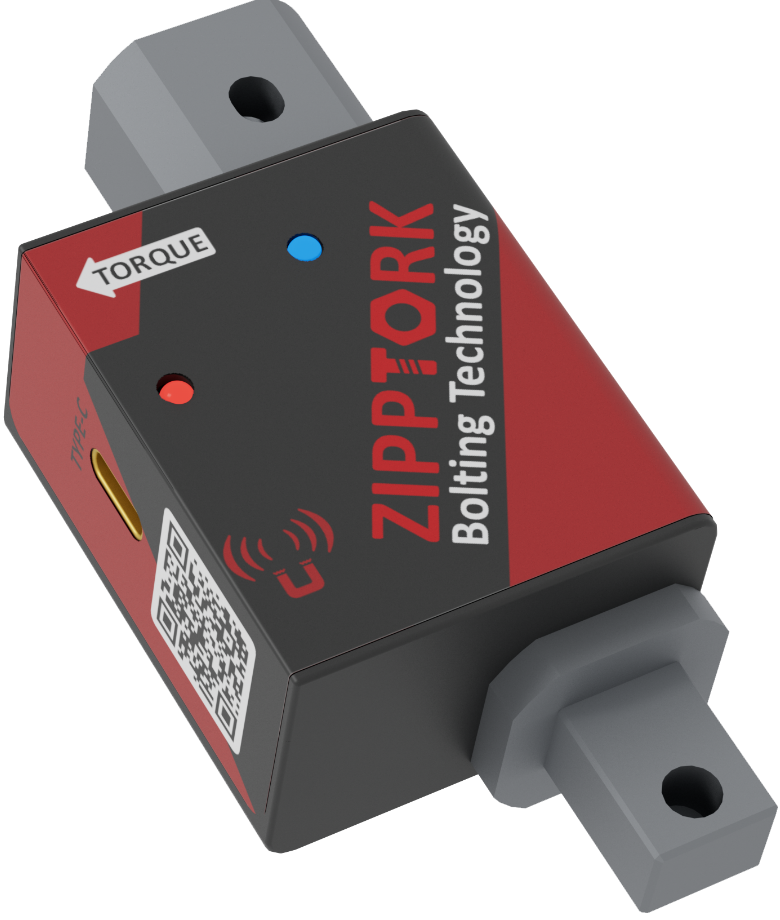
ZIPPTORK’s wireless rotary torque transducers are designed specifically to enable reliable in-process torque monitoring on dynamic power tools, including impact wrenches, pulse tools, torque multipliers, and other rotary fastening equipment.


Unlike traditional inline or reaction-based sensors, ZIPPTORK’s transducers are mounted directly in the torque transmission path and rotate with the tool output. This design allows torque to be measured at the point of application, providing accurate, real-time data even under high vibration and impact conditions.


Key advantages of ZIPPTORK wireless rotary torque transducers include:


  • Accurate real-time torque measurement during the fastening process
  • Wireless data transmission, eliminating cables and slip rings
  • High resistance to shock and vibration, ideal for impact tools
  • Compact and tool-agnostic design, easily integrated into existing tools
  • Seamless connection to torque controllers, PLCs, and IIoT systems


By transforming conventional torque tools into data-enabled smart tools, ZIPPTORK allows manufacturers to upgrade their fastening processes without replacing entire tool fleets.


Improving Torque Control Through Real-Time Feedback


When integrated with a torque controller or production monitoring system, ZIPPTORK’s wireless rotary torque transducer provides continuous feedback throughout the fastening cycle. This enables:


  • Real-time verification that the target torque is achieved
  • Immediate detection of joint issues such as cross-threading, stripped threads, or inconsistent clamp load behavior
  • Automatic tool shut-off or process alerts when abnormal torque signatures are detected
  • Closed-loop torque control for improved accuracy and repeatability


The deeper the visibility into the fastening process, the greater the ability to correct problems instantly and make continuous improvements. Instead of reacting to failures discovered later, manufacturers can prevent defects at the source.


Turning Fastening Data into Process Intelligence


Beyond immediate quality control, the data collected by ZIPPTORK’s wireless torque sensing solutions creates long-term value. By analyzing fastening data across shifts, tools, and production lines, manufacturers gain insights into:


  • Process capability and stability
  • Tool performance and maintenance needs
  • Joint behavior and variation trends
  • Opportunities to optimize cycle time and workflow


This data-driven approach supports predictive maintenance, continuous improvement programs, and smart manufacturing initiatives under Industry 4.0 and IIoT frameworks.


In-process torque monitoring is no longer a luxury—it is a necessity for manufacturers seeking higher quality, lower risk, and greater productivity. By enabling real-time torque measurement directly on dynamic power tools, ZIPPTORK’s wireless rotary torque transducers bridge the gap between traditional fastening equipment and intelligent manufacturing systems.


With ZIPPTORK, torque control evolves from a reactive inspection task into a proactive, data-driven process—delivering measurable improvements in quality, efficiency, and operational confidence.


For more information, please click here.

Real-Time Insight for Every Fastening with Wireless Rotary Torque Transducer

In modern manufacturing, fastening is no longer “just tightening a bolt.” Every critical joint is part of a traceable quality chain, and every missed or over-tightened bolt can become a warranty claim, a line stoppage, or a safety incident. This is precisely where the ZIPPTORK wireless rotary torque transducer delivers its value: it transforms any torque tool into a smart, data-driven tightening system.


Turning any torque tool into a smart tool


Traditional torque tools—pneumatic impact wrenches, pulse tools, DC/cordless nutrunners, electric screwdrivers, torque multipliers — are workhorses on the line, but most of them are “blind.” They deliver torque, yet the process itself is not directly measured. Quality is inferred from occasional audits rather than continuously verified for each bolt.


The ZIPPTORK wireless rotary torque transducer changes that by:


  • Mounting directly between the tool and the socket or fixture
  • Measuring actual dynamic torque in real time, even under impact or pulsation
  • Transmitting live torque data wirelessly to a controller, PLC, or IIoT gateway


In other words, you keep your existing tools, but instantly add a precise, intelligent sensor layer on top of them.


1. Real-time process monitoring and traceability


The most important benefit is simple but powerful: you see what is happening at the joint in real time.


With ZIPPTORK’s wireless rotary torque transducer:


  • Each tightening event produces a live torque curve, not just a pass/fail lamp.
  • Supervisors can monitor torque levels, angle (if integrated), and time profiles as the joint is tightened.
  • Every bolt tightening can be logged with torque/time data, operator ID, tool ID, and timestamp.


This enables:


  • 100% process monitoring instead of sampling-based audits
  • Traceability for every fastener, which is increasingly required by OEMs and Tier-1 suppliers
  • Immediate visualization of anomalies such as cross-threading, missing parts, or hard/soft joint variations


When a customer asks, “How do you know this joint was tightened correctly?”, you no longer answer with assumptions—you show recorded evidence.


2. Easy integration with any torque tool


A major practical advantage of ZIPPTORK’s solution is its tool-agnostic design.


The wireless rotary torque transducer can be integrated with:


  • Pneumatic impact wrenches
  • Hydraulic and pneumatic pulse tools
  • DC and cordless nutrunners
  • Electric screwdrivers and torque tools
  • Torque multipliers and gearboxes
  • Custom automated tightening spindles


Instead of replacing entire tool fleets with expensive “smart tools,” manufacturers can:


  • Retrofit existing tools with wireless torque sensing
  • Standardize process monitoring across different tool brands
  • Phase in smart fastening capability line by line, station by station


This dramatically reduces the upfront investment and allows companies to move toward Industry 4.0 at their own pace, without scrapping tools that still have years of life left.


3. Elimination of cable problems in harsh environments


Cable-based rotating torque sensors are notoriously tricky to use in real production:

  • Cables get twisted, damaged, or cut.
  • Slip rings require regular maintenance and still introduce noise and reliability issues.
  • Operators dislike extra cables hanging from tools—they interfere with movement and ergonomics.


ZIPPTORK’s wireless rotary torque transducer eliminates these problems:

  • No rotating cable between the sensor and the receiver
  • No slip rings needed
  • Reduced risk of downtime from broken or tangled cables.


This is especially critical in high-vibration, high-impact applications such as:

  • Truck and bus wheel assembly
  • Construction equipment and heavy machinery
  • Wind turbine hub and flange bolting
  • Rail, shipbuilding, and large structural joints


The transducer is designed to survive the same tough conditions as the torque tool itself, making it a practical choice for real industrial use, not just a lab instrument.


4. Improved fastening quality and reduced rework


With real-time torque curves and wireless feedback, engineers can optimize the tightening process instead of guessing:


  • Define optimal torque windows and shut-off points
  • Detect abnormal joint behavior (e.g., stripped threads, missing washers, misalignment)
  • Identify variation between tools, operators, or shifts


As a result:


  • Rework is reduced because issues are caught immediately at the station
  • Line stoppages caused by fastening problems are minimized
  • Final inspection may become simpler or faster due to the trusted process data upstream


Quality teams gain a continuous stream of fastening data for statistical process control (SPC), capability studies, and continuous improvement projects.


5. Enabling predictive maintenance for tools


Tools wear out. Impacts get weaker, clutches drift, pulse units lose efficiency. Usually, this is noticed only after quality issues arise, or when operators complain that “the tool feels weak.”


By continuously monitoring torque output with ZIPPTORK:


  • You can track the actual delivered torque trend over time for each tool.
  • A gradual decline in production can be identified before it becomes a quality problem.
  • Maintenance can be scheduled based on performance, not just calendar time.


This transforms maintenance from reactive (“Fix it when it fails”) to predictive (“Service it before performance drops below spec”). The outcome is:


  • Fewer unexpected breakdowns
  • Extended tool life
  • More stable tightening performance across the line


6. Seamless integration with MES, PLC, and IIoT systems


ZIPPTORK’s wireless rotary torque transducer is designed with connectivity in mind. When paired with the appropriate controller or gateway, torque data can be:


  • Sent to PLCs for immediate OK/NOK decision logic
  • Logged in MES or QMS systems for traceability records
  • Streamed to cloud-based IIoT platforms for analytics and dashboards


This allows manufacturers to:


  • Consolidate tightening data with other production information (e.g., serial numbers, test results, operator information)
  • Implement advanced analytics to correlate torque behavior with failures, scrap, or warranty claims.
  • Build dashboards for plant managers that show fastening quality in real time across multiple lines or factories.


In short, the rotor and sensor at the wrench become the frontline data sources for your digital factory.


7. Flexible deployment: audits, development, and complete in-line control


Another practical advantage of ZIPPTORK’s rotary transducer is its flexibility in deployment. It can be used in several ways:


  1. Tool audits and calibration checks
    • Quickly verify whether tools still deliver the specified torque in real working conditions.
    • Compare different tool models or brands under the same joint conditions.
  2. Process development and optimization
    • Fine-tune torque settings, pulse times, or shut-off parameters when introducing new models.
    • Understand joint behavior (soft, hard, prevailing torque, etc.) before locking in the process window.
  3. Permanent in-line monitoring
    • Keep the transducer on the tool or station as a permanent process monitoring element.
    • Combine with controllers and poka-yoke logic to enforce correct tightening sequences.


This flexibility means you can start small—using a few systems for R&D and audits—and later scale to full line coverage once the benefits are proven.


8. Enhancing safety and compliance


In industries such as energy, pressure vessels, transportation, and structural engineering, improperly tightened bolts are more than a quality issue—they are a safety risk.


By integrating ZIPPTORK wireless rotary torque transducers:


  • Critical joints (flanges, lids, hubs, couplings, structural connections) can be tightened to validated torque levels.
  • Legal and regulatory requirements for documentation and traceability are easier to meet.
  • Customers get documented proof that each fastener was tightened within the required specification.


This not only reduces risk but also strengthens trust with end-users, inspectors, and certification bodies.


9. Cost-effective path to Industry 4.0 fastening


Many manufacturers hesitate to adopt fully integrated “smart tools” because of:

  • High upfront costs
  • Vendor lock-in
  • Uncertainty about return on investment


ZIPPTORK’s wireless rotary torque transducer offers a different path:

  • Use the tools you already own, from multiple brands.
  • Add smart torque monitoring where it matters most—on critical joints, key stations, or new product lines.
  • Scale up gradually: one station, one line, one plant at a time.


The result is a cost-effective, low-risk strategy to upgrade fastening processes to Industry 4.0 standards without a disruptive overhaul.


The ZIPPTORK wireless rotary torque transducer is more than a sensor; it is a bridge between traditional torque tools and modern smart manufacturing. By integrating directly with almost any torque tool and streaming real-time torque data wirelessly, it delivers:


  • Continuous process monitoring and full traceability
  • Higher product quality and reduced rework
  • Predictive maintenance and extended tool life
  • Seamless integration with PLC, MES, and IIoT systems
  • A flexible, economical path to Industry 4.0 fastening


For manufacturers facing stricter quality demands, more complex assemblies, and pressure to digitalize their operations, ZIPPTORK provides a practical, scalable way to turn everyday torque tools into intelligent, data-driven assets—without starting from scratch.

ZIPP GROUP to Showcase Innovative Solutions at Taipei Aerospace & Defense Technology Exhibition (TADTE) 2025

STA Transducer

ZIPP GROUP to Showcase Innovative Solutions at Taipei Aerospace

&

Defense Technology Exhibition (TADTE) 2025


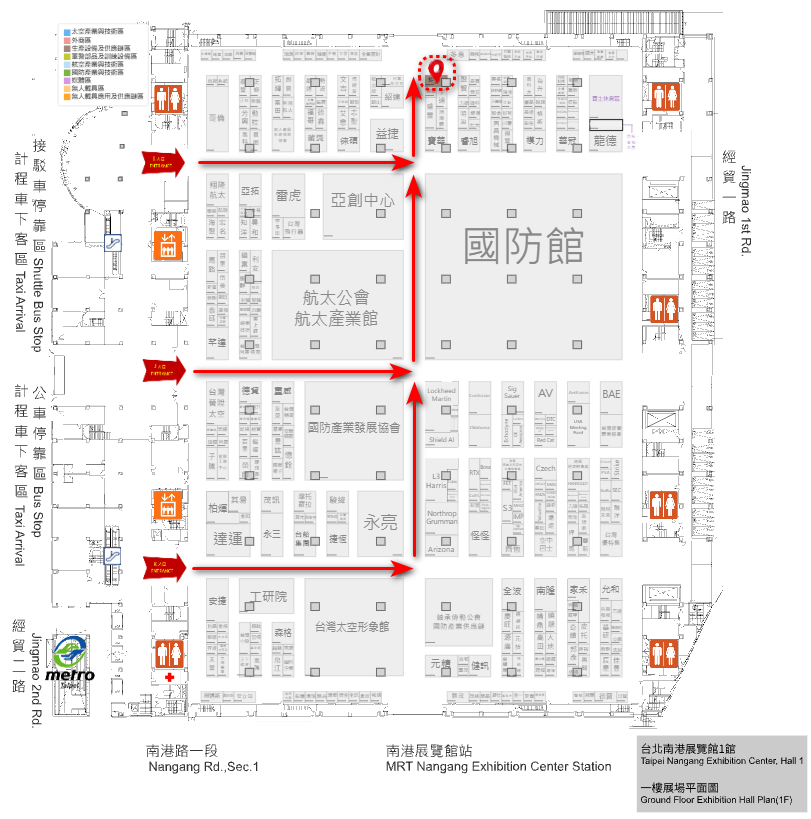
booth direction
booth direction


ZIPP GROUP is proud to announce its participation in the Taipei Aerospace & Defense Technology Exhibition (TADTE) 2025, taking place from September 18 to 20, 2025, at the Taipei Nangang Exhibition Center, Hall 1 (TaiNEX 1), 1F, located at No. 1, Jingmao 2nd Rd., Nangang District, Taipei, Taiwan. Visitors can find ZIPP GROUP at Booth I0801a.

As one of Asia’s leading international platforms for aerospace and defense industries, TADTE brings together global innovators, manufacturers, and defense technology providers. ZIPP GROUP will showcase its advanced solutions and cutting-edge technologies designed to meet the evolving demands of aerospace and defense applications.

The company looks forward to engaging with industry professionals, partners, and visitors to explore collaborative opportunities and present how ZIPP GROUP’s expertise in precision engineering and innovation contributes to high-performance and reliable solutions for critical missions.

ZIPP GROUP warmly invites all attendees to visit Booth I0801a to experience its latest developments firsthand.

Exhibition details @ https://www.tadte.com.tw

How ZIPP TOOL’s Low-Vibration & Shock-Reduced Air Tools Help Reduce Hand-Arm Vibration Syndrome (HAVS)

Hand-Arm Vibration Syndrome

How ZIPP TOOL’s Low-Vibration & Shock-Reduced Air Tools Help Reduce Hand-Arm Vibration Syndrome (HAVS)


Hand-Arm Vibration Syndrome (HAVS) is a progressive, preventable condition caused by prolonged exposure to tool-generated vibration. It can lead to numbness, reduced dexterity, pain, and—in severe cases—irreversible circulatory and neurological damage. For manufacturers, shipyards, foundries, and maintenance crews, HAVS isn’t just a health risk; it’s also a risk to quality, productivity, and liability.


ZIPP TOOL designs low-vibration and shock-reduced pneumatic tools to break this link. Below is a practical, engineering-first look at how ZIPP’s design choices translate into measurably lower vibration at the operator’s hand, and how to implement them to reduce HAVS risk across your facility.


HAVS in a Nutshell (and why “low vibration” matters)


  • Root cause: Repeated transmission of vibratory energy into the hand and arm during grinding, scaling, sanding, cutting, riveting, etc.
  • Risk drivers: High vibration magnitude, long trigger time, poor ergonomics, cold environments, and insufficient maintenance.
  • Consequences: Tingling and numbness, loss of grip strength and tactile feedback, reduced fine motor control, pain, and white-finger attacks in cold.
  • Control strategy: Reduce the vibration magnitude at the source (engineering controls), minimize time-weighted exposure, improve ergonomics and process planning, and keep tools in peak mechanical condition.


“Low vibration” is not a label—it’s an engineering outcome. Every 1–2 m/s² saved at the hand can significantly extend safe trigger time and reduce cumulative daily exposure.


How ZIPP TOOL Reduces Vibration at the Source


ZIPP’s portfolio includes purpose-built, low-vibration and shock-reduced models such as the ZNS-392 Shock-Reduced Needle Scaler and the ZS350D Industrial Air Saw (Extreme Low Vibration), alongside grinders, sanders, and impact tools designed with vibration mitigation baked in. Here’s what’s under the hood:


1) Tuned Counterbalancing & Mass Optimization


Unbalanced reciprocating or rotating masses are a primary vibration source. ZIPP uses tuned counterweights and optimized rotor/rod mass to cancel out first-order forces in saws, scalers, and grinders—shrinking the energy transmitted to the handle.


Result: Smoother feel under load, less tingling after a cycle, and better cut or grind quality.


2) Isolated Handle Modules & Damping Interfaces


On select models, the handle is decoupled from the motor frame via elastomeric isolators or engineered damping stacks. In scalers, shock-absorbing linkages disrupt the spike-y impulses from each needle/striker.


Result: Lower peak accelerations (the “punches” that fatigue nerves), not just lower RMS levels.


3) Low-Recoil Percussive Systems


In shock-reduced needle scalers like the ZNS-392, the striker mass, impact frequency, and air metering are balanced to minimize recoil while maintaining removal rate. Needle geometry and bundles are selected to reduce chatter without smearing scale.


Result: Faster surface prep with less hand sting and fewer micro-pauses from operator discomfort.


4) Precision Airflow & Exhaust Management


ZIPP’s valving and exhaust routing avoid pressure oscillations that amplify vibration and noise. Silenced exhaust not only protects hearing; it also reduces the pressure fluctuations that can couple back into the tool body.


Result: Quieter, steadier tools that are easier to control—critical for fine work and long shifts.


5) Ergonomic Geometry & Grip Materials


Neutral wrist angles, contoured grips, and anti-slip surfaces distribute contact forces across the palm and fingers. On grinders and saws, carefully chosen grip diameters reduce pinch forces and white-knuckle squeezing—both known HAVS multipliers.


Result: Less clamping force required for control → less transmitted vibration and less fatigue.


6) Balanced Accessories: Discs, Needles, Blades


A low-vibration tool can still vibrate if the accessory is poorly chosen. ZIPP validates balanced abrasives, matched needles, and tuned saw blades to maintain the tool’s designed balance.


Result: You get the vibration performance you paid for—consistently.


Putting It to Work: A HAVS-Reduction Playbook with ZIPP


Lower-vibration tools are the cornerstone, but results come from system thinking. Here’s a concise plan you can implement immediately.


Step 1 — Audit & Baseline

  • Identify high-exposure tasks (e.g., chipping, heavy grinding, scaling, long cutting passes).
  • Measure or estimate daily trigger times per task and operator.
  • Check tool condition (bearings, collets, needles, blades, lubrication). Worn components massively inflate vibration.


Step 2 — Engineer Out Vibration with ZIPP

  • Replace legacy or generic models in the worst tasks with ZIPP shock-reduced or extreme low-vibration equivalents (e.g., ZNS-392 for scaling, ZS350D for cutting).
  • For grinders/sanders, move to ZIPP models with counterbalanced rotors and isolated handles; pair with balanced abrasives.


Step 3 — Optimize Process & Accessories

  • Right-size the tool (power and speed) to the job. Oversized tools cause over-gripping; undersized tools force longer trigger times.
  • Use matched, balanced consumables (needles, blades, discs). Replace them on schedule.
  • Stabilize workpieces to reduce operator-induced vibration.


Step 4 — Maintain for Vibration (Not Just Uptime)

  • Implement a preventive maintenance cadence: lubrication, bearing checks, spindle runout, hose integrity, and regulator settings.
  • Create a “vibration drift” checklist so any increase in tingle, noise, or heat triggers inspection.


Step 5 — Manage Exposure Time

  • Rotate tasks to limit time-weighted exposure per operator.
  • Build standard work: short, efficient cycles with planned breaks.
  • Encourage light, controlled grip; heavier gloves don’t fix vibration, but anti-vibration gloves can be a supplementary control where appropriate.


Step 6 — Train, Track, Improve

  • Train on proper stance, neutral wrist, and controlled feed pressure—pushing harder rarely makes the job faster and often spikes vibration.
  • Record trigger times by job and tool. Use simple tags or digital counters.
  • Review incident reports and iterate on tool selection—upgrading more stations to low-vibration models as ROI becomes clear.


Where ZIPP Tools Fit Best


  • Shipbuilding & MRO: Needle scaling, weld cleanup, gasket removal—swap legacy scalers for ZNS-392 to cut recoil and operator breaks while maintaining removal rates.
  • Foundry & Fabrication: Heavy grind and blend—move to counterbalanced ZIPP grinders with isolated handles to tame the roughest edges without fatiguing hands.
  • Automotive & Rail: Panel prep, spot repairs, and cut-outs—ZS350D delivers clean cuts with less buzz, improving accuracy in tight quarters.
  • Construction & Infrastructure: Rebar cleanup, shuttering, and surface preparation—shock-reduced percussive tools minimize nerve-irritating impulse peaks.


Quality, Throughput, and ROI—Not Just Compliance


A common misconception is that HAVS controls are a cost center. In practice, low-vibration tools deliver:


  • Higher first-pass quality: steadier hands → straighter cuts, better surface finish, fewer reworks.
  • More sustained productivity: operators stay accurate deeper into the shift.
  • Lower absenteeism and turnover: lead to less discomfort and fatigue, resulting in better morale.
  • Reduced liability: proactive HAVS controls demonstrate a strong duty of care to auditors and insurers.


Facilities often find that the productivity and quality gains alone justify upgrading critical stations to ZIPP shock-reduced models—before accounting for any reduction in injury risk and claims.


Implementation Checklist


  1. List tasks with the highest vibration exposure (by job step).
  2. Map current tools used at each step (make/model/accessory).
  3. Select ZIPP replacements for the top 3 exposure tasks (e.g., ZNS-392, ZS350D, low-vibe grinders/sanders).
  4. Standardize accessories (balanced discs/needles/blades matched to the tool).
  5. Set PM intervals focused on vibration drivers (bearings, runout, needle condition, lubrication, air pressure).
  6. Train operators on light grip, neutral wrist, controlled feed, and micro-breaks.
  7. Track trigger time and near-miss tingling reports; investigate any upticks immediately.
  8. Review quarterly and expand low-vibration tooling where exposure remains high.


Why ZIPP TOOL?


  • Purpose-built low-vibration designs (shock-reduced scalers, extreme low-vibration saws, counterbalanced grinders/sanders).
  • Ergonomics and control prioritized: neutral wrist geometry, grippy surfaces, balanced weight distribution.
  • System approach: Tools, accessories, and maintenance guidance aligned to preserve low-vibration performance in real-world use.
  • Industrial durability: Built for shipyards, foundries, fabrication shops, and fleet maintenance—where uptime matters.


Quick safety note


Switching to ZIPP low-vibration and shock-reduced air tools is one of the highest-leverage actions you can take to reduce HAVS risk. Pair the tools with good work design, proper accessories, and disciplined maintenance, and you’ll see safer hands, steadier work, and stronger throughput.

Low vibration & shock reduced air tools

Low Vibration Air Tools: Protecting Workers from Hand-Arm Vibration Syndrome


Hand-Arm Vibration Syndrome (HAVS) is a serious and irreversible medical condition caused by prolonged exposure to vibration, often from power tools such as grinders, chipping hammers, and impact wrenches. While HAVS develops gradually, its effects—ranging from tingling fingers to permanent loss of grip strength—can significantly impact a worker’s quality of life. Fortunately, modern low vibration or shock-reduced air tools offer an effective way to reduce these risks.


Understanding Hand-Arm Vibration Syndrome


HAVS occurs when repeated vibration damages blood vessels, nerves, and muscles in the hand and arm. Common symptoms include:

  • Numbness or tingling in fingers

  • Reduced dexterity or grip strength

  • “White finger” (blanching of fingers due to poor circulation)

  • Chronic pain and discomfort


According to occupational safety standards, such as the EU’s Vibration at Work Regulations and OSHA’s guidelines, reducing vibration exposure is a critical part of workplace health and safety.


How Low Vibration Air Tools Make a Difference


Traditional air tools transfer a significant amount of vibration directly into the operator’s hands. Over time, this repeated exposure accelerates the development of HAVS. Shock-reduced air tools are specifically engineered to limit this impact.


Key design features include:


  1. Vibration-Dampening Mechanisms – Specially designed internal components, such as shock-absorbing springs or air-cushion chambers, reduce the transfer of vibration.

  2. Ergonomic Grip Design – Handles with vibration-isolating materials, like rubber or composite grips, minimize the amount of energy reaching the hand.

  3. Optimized Tool Balance – Well-balanced tools reduce strain on the wrists and arms, preventing excessive force application.

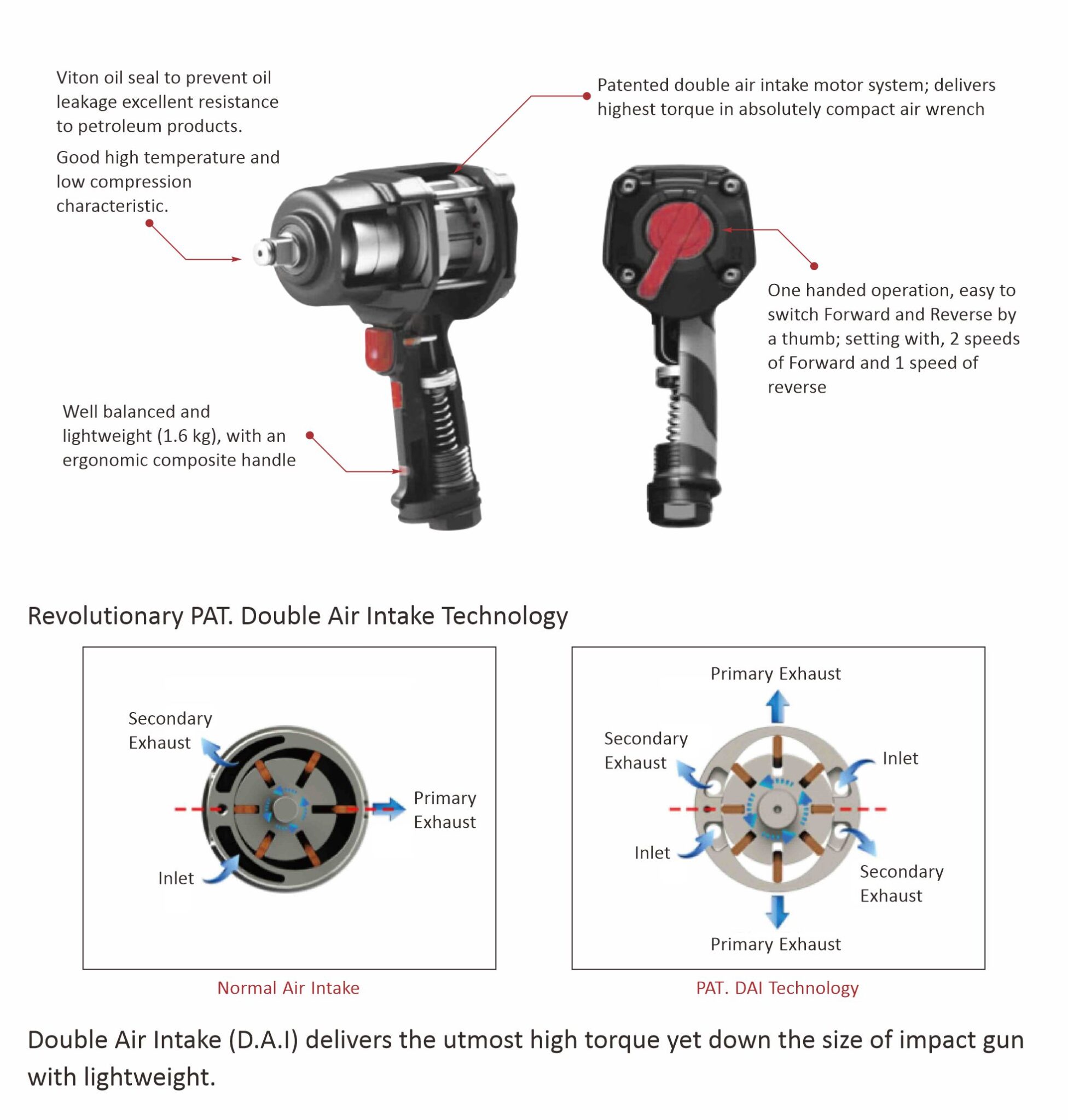
  4. Advanced Impact Mechanisms – Systems like double hammer or twin dog impacts distribute force more evenly, lowering peak vibration levels.


Benefits Beyond Health


Adopting low vibration air tools doesn’t just protect workers—it also improves productivity and efficiency:


  • Longer working periods without fatigue – Reduced vibration means operators can work comfortably for longer durations.

  • Higher precision and control – Less hand strain leads to more accurate work, especially in detailed applications.

  • Lower absenteeism and turnover – Healthy employees are less likely to take time off due to vibration-related injuries.

  • Compliance with safety regulations – Using low vibration tools helps companies meet legal vibration exposure limits.


Best Practices for Preventing HAVS


While low vibration tools are an essential step, HAVS prevention also requires proper work practices:


  • Rotate tasks to limit individual exposure time.

  • Keep tools well-maintained to avoid unnecessary vibration from worn parts.

  • Use anti-vibration gloves for added protection.

  • Train operators on correct tool handling techniques.

  • Monitor vibration exposure levels regularly.


Hand-Arm Vibration Syndrome is preventable with the right equipment and practices. By investing in low vibration or shock-reduced air tools, companies not only protect their workforce but also enhance efficiency, precision, and compliance. In industries where air tools are used daily, this isn’t just an upgrade—it’s a responsibility.

Enhancing Torque Control with ZIPPTORK Torque Controller and Wireless Torque Transducer

Enhancing Torque Control with ZIPPTORK Torque Controller and Wireless Torque Transducer


Torque precision is critical in industries where bolting accuracy directly affects product quality and safety. The ZIPPTORK torque controller, paired with a wireless torque transducer, offers an advanced solution for torque tools, ensuring optimal control and consistency in fastening applications.


Advanced Torque Control for Torque Tools


The ZIPPTORK torque controller provides superior control when integrated with torque tools, allowing for enhanced torque-controlled results. When used with the wireless torque transducer, it offers real-time torque measurement and feedback, ensuring precise control throughout the bolting process. This combination significantly reduces the risk of over-torquing or under-torquing while ensuring compliance with specified torque values.


Unique Patented Wireless Torque Transducer


The ZIPPTORK system features a unique, patented wireless torque transducer, the only torque transducer capable of impacting tools like air impact wrenches. This innovation allows for accurate torque measurement even in high-impact bolting action, setting a new standard in the industry. The wireless torque transducer further improves the air impact wrench’s torque accuracy to within 10% when paired with the torque controller. It can monitor and automatically compensate for the pulse wrench output, making it highly effective in complex joint types or environments with unstable air supply conditions.


Transforming Air Impact Wrenches into Controlled Tools


A standout feature of the ZIPPTORK torque controller is its ability to use air impact wrenches. This integration effectively transforms standard air impact wrenches into controlled wrenches capable of achieving a high torque range with 10-15% torque-controlled accuracy. This level of precision is particularly beneficial for applications requiring consistent and repeatable torque results.


Benefits in Construction Equipment Assembly Lines


The ZIPPTORK torque controller and wireless torque transducer combination offer significant advantages in construction equipment assembly lines, especially where higher bolting torque is required. The key benefits include:


  • Enhanced Bolt Fastening Efficiency: The system provides better control and accuracy, reducing the time and effort required for manual torque adjustments.


  • Consistent Torque Application: The wireless torque transducer collects real-time data, helping maintain consistent torque levels across multiple fastenings.


  • Reduced Fastening Errors: A controlled torque range minimizes the risk of bolt loosening or breakage due to incorrect torque application.


  • Improved Productivity: The ZIPPTORK system’s automation and precision streamline the fastening process, contributing to faster assembly times and increased production throughput.


The ZIPPTORK torque controller and wireless torque transducer significantly advance torque tool technology. By enabling precise torque control and transforming air impact wrenches into high-accuracy tools, they offer substantial benefits for industries requiring efficient and reliable bolt fastening. This innovation is particularly advantageous in machinery assembly lines where high torque accuracy is essential for product integrity and operational efficiency.


This website uses cookies to ensure it works properly and to help us understand how visitors use the site. Cookies are small text files stored on your device. By using this website, you consent to our use of cookies.